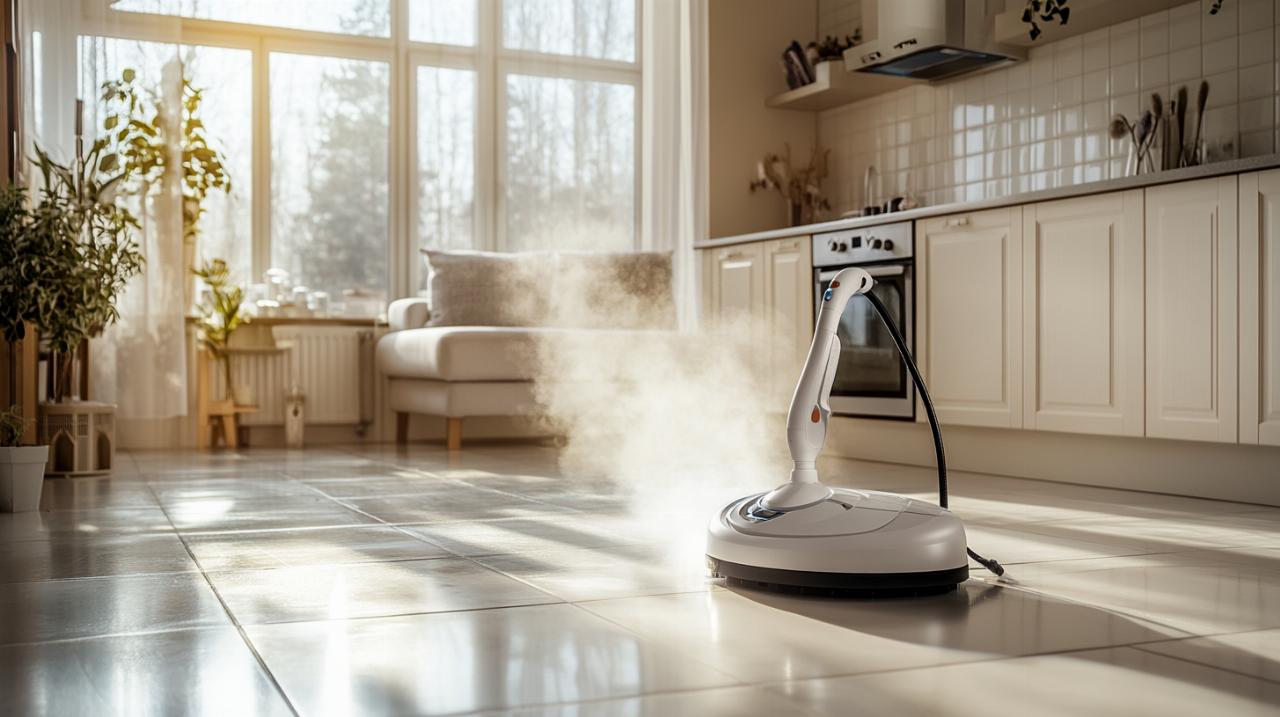
The modern home deserves a cleaning approach that marries effectiveness with environmental responsibility, and steam technology offers precisely that balance. For those who have invested in a TVD steam cleaner or are considering one, understanding how to harness its full potential can transform routine household chores into efficient, chemical-free cleaning sessions. This comprehensive guide explores practical strategies and insider tips to help you achieve professional results whilst maintaining a sustainable approach to domestic hygiene across every surface in your home and vehicle.
Getting started: understanding your tvd steam cleaner's capabilities
Before tackling your first cleaning project, familiarising yourself with the core specifications of your TVD steam cleaner will set the foundation for successful operation. These machines are engineered to deliver powerful steam cleaning without the need for harsh chemical agents, making them an ideal choice for households seeking eco-friendly solutions. The design philosophy behind TVD steam cleaners centres on versatility and user convenience, ensuring that whether you're addressing stubborn kitchen grease or refreshing upholstery, the equipment adapts to your specific requirements.
Water tank capacity and refilling best practices
The water reservoir in your TVD steam cleaner holds fifty-two ounces, a capacity carefully calibrated to balance portability with extended cleaning sessions. This volume allows for approximately fifty minutes of continuous steam production, which proves sufficient for most household cleaning tasks without requiring mid-session refills. When preparing your machine, always use distilled or filtered water to prevent mineral buildup that could compromise performance over time. Fill the tank to the indicated maximum level, but avoid overfilling, as this can interfere with proper steam generation. The heating cycle requires eight minutes, during which the water reaches optimal temperature for effective sanitisation. Planning your cleaning route whilst the machine heats ensures you maximise efficiency, allowing you to move seamlessly from one surface to another once the steam cleaner signals its readiness.
Steam pressure settings and power specifications explained
Understanding the relationship between power output and steam pressure helps you select the appropriate intensity for different materials. Delicate fabrics and sealed wood surfaces benefit from lower pressure settings, whilst tiled floors and heavily soiled areas respond better to maximum steam output. The generous length of the power cord, measuring one hundred ninety-seven inches, grants substantial freedom of movement throughout large rooms without constantly repositioning the base unit. Coupled with the fifty-seven inch steam hose, this design consideration means you can thoroughly clean an entire room from a single electrical outlet. This extended reach proves particularly valuable when addressing high surfaces such as curtain rails or ceiling corners where dust and cobwebs accumulate. The combination of adequate power delivery and thoughtful cable management eliminates the frustration of interrupted workflow, allowing you to maintain focus on achieving impeccable results.
Room-by-room guide: practical applications for every surface
Different areas of your home present unique cleaning challenges, and the beauty of steam technology lies in its adaptability across diverse materials and contamination types. From ground-level flooring to elevated fixtures, the chemical-free approach offered by TVD steam cleaners ensures safe application throughout living spaces where children and pets spend time. The comprehensive toolkit that accompanies each unit, featuring twenty-six specialised attachments, transforms a single appliance into a complete cleaning system capable of addressing virtually any household surface.
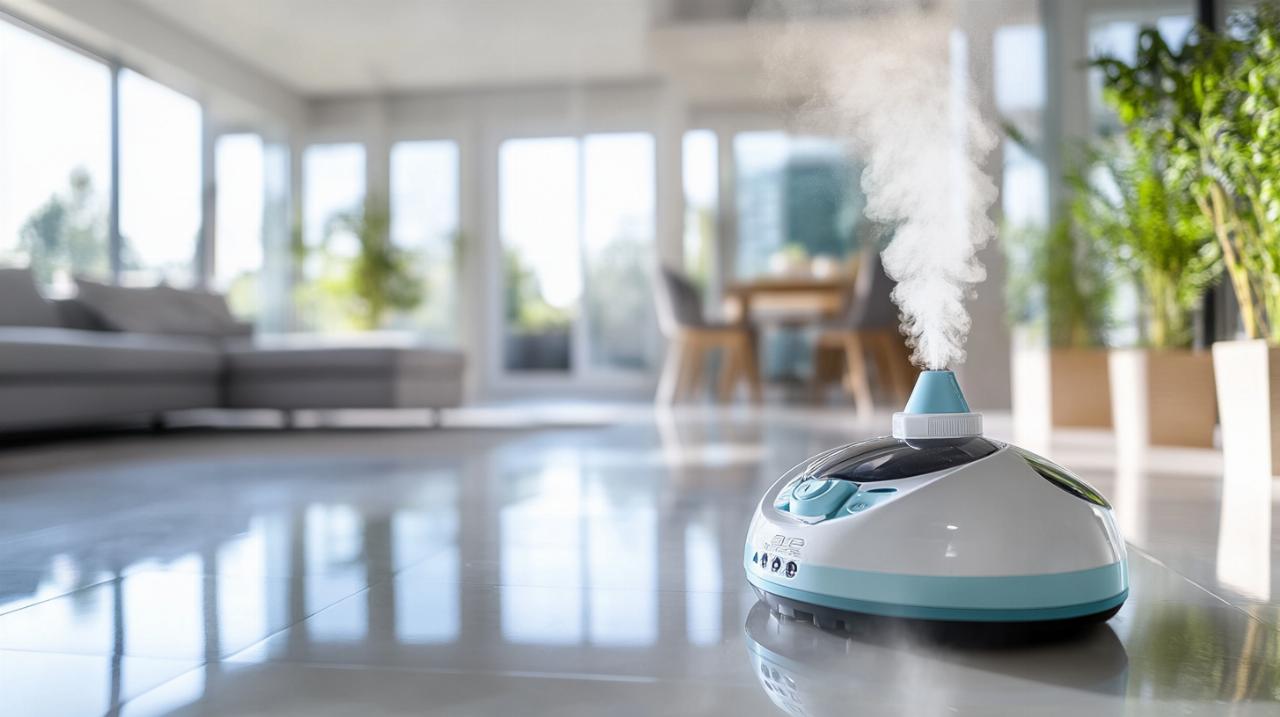
Floors, Carpets, and Upholstery: Achieving a Deep Clean
Hard flooring surfaces such as ceramic tiles, sealed hardwood, and laminate respond exceptionally well to steam treatment, with the high temperature effectively loosening embedded dirt whilst simultaneously sanitising. Begin by removing loose debris with a dry sweep or vacuum, then work methodically across the floor using overlapping passes to ensure complete coverage. For carpets and rugs, the appropriate attachment disperses steam evenly whilst the integrated brush agitates fibres, lifting dirt particles that conventional vacuuming leaves behind. Upholstered furniture benefits from steam cleaning's ability to penetrate fabric weave, eliminating allergens and refreshing appearance without saturating the material. Always test a small, inconspicuous area first when working with delicate textiles, and maintain appropriate distance to prevent moisture accumulation. The natural drying properties of steam mean most fabrics return to usable condition within minutes rather than hours, a significant advantage over traditional wet cleaning methods.
Bathrooms, kitchens, and vehicle interiors: tackling stubborn stains
Bathroom environments present persistent challenges including soap scum, limescale deposits, and mildew growth, all of which yield to sustained steam application. Direct the concentrated steam at grout lines between tiles, watching as discolouration lifts without abrasive scrubbing that can damage sealant. Kitchen surfaces accumulate grease splatter and baked-on food residue, particularly around hobs and extraction fans, areas where steam cleaning proves invaluable. The combination of heat and moisture breaks down stubborn deposits, allowing effortless removal with a microfibre cloth. Vehicle interiors benefit enormously from steam treatment, as the precision tools reach into crevices around gear levers, air vents, and door pockets where conventional cleaning methods struggle. Dashboard surfaces, upholstered seats, and floor mats all respond well to steam, emerging sanitised and refreshed without chemical residues that might affect air quality within the confined cabin space.
Maximising efficiency: top tips for sustainable steam cleaning
Achieving optimal results whilst minimising environmental impact requires strategic planning and thoughtful operation. The inherently sustainable nature of steam cleaning, which relies solely on water rather than chemical formulations, already positions this method favourably from an ecological perspective. However, users can further enhance efficiency through mindful practices that extend equipment lifespan and reduce energy consumption.
Optimising usage duration and energy consumption
The fifty-minute operational window provided by a full water tank encourages strategic planning of cleaning sessions. Rather than sporadic, reactive cleaning of individual spills or marks, consider consolidating tasks into efficient sessions that address multiple rooms or vehicle interiors in sequence. This approach maximises the value extracted from each heating cycle, as the eight-minute warm-up period represents the most energy-intensive phase of operation. Allow the machine to reach full operating temperature before beginning work, as premature use produces weaker steam that requires longer application times to achieve satisfactory results. When working through your planned cleaning route, prioritise tasks requiring maximum steam pressure first, then progress to lighter applications as the session continues. This sequencing ensures you harness peak performance when addressing the most demanding challenges, whilst still achieving excellent results on less stubborn areas even as steam pressure gradually diminishes toward the end of the cycle.
Maintenance and Care for Long-Term Performance
Regular maintenance rituals ensure your TVD steam cleaner delivers consistent performance across years of service, protecting your investment whilst maintaining cleaning efficacy. After each session, empty any remaining water from the tank and allow the unit to cool completely before storage. Periodically inspect the various attachments and nozzles for mineral deposits or debris accumulation, soaking affected components in a vinegar solution to dissolve buildup. The steam hose benefits from occasional inspection to ensure no kinks or damage compromise steam delivery. Store your equipment in a dry location with adequate ventilation, arranging the twenty-six tools in an organised manner that prevents damage and facilitates quick selection for future cleaning sessions. Descaling the internal boiler system at manufacturer-recommended intervals prevents efficiency loss and extends operational lifespan. These straightforward care practices require minimal time investment yet yield substantial returns in maintained performance and equipment longevity. For residents in High Point NC and surrounding areas, keeping your steam cleaner in optimal condition means always having a reliable, chemical-free cleaning solution ready whenever needed, supporting both household hygiene and environmental stewardship.
Comments are closed